Kai Berger · 24 September 2026
Shifting Domain Management Strategies and Their Influence on Sustained Crawler Accessibility Patterns in Evolving Web Ecosystems
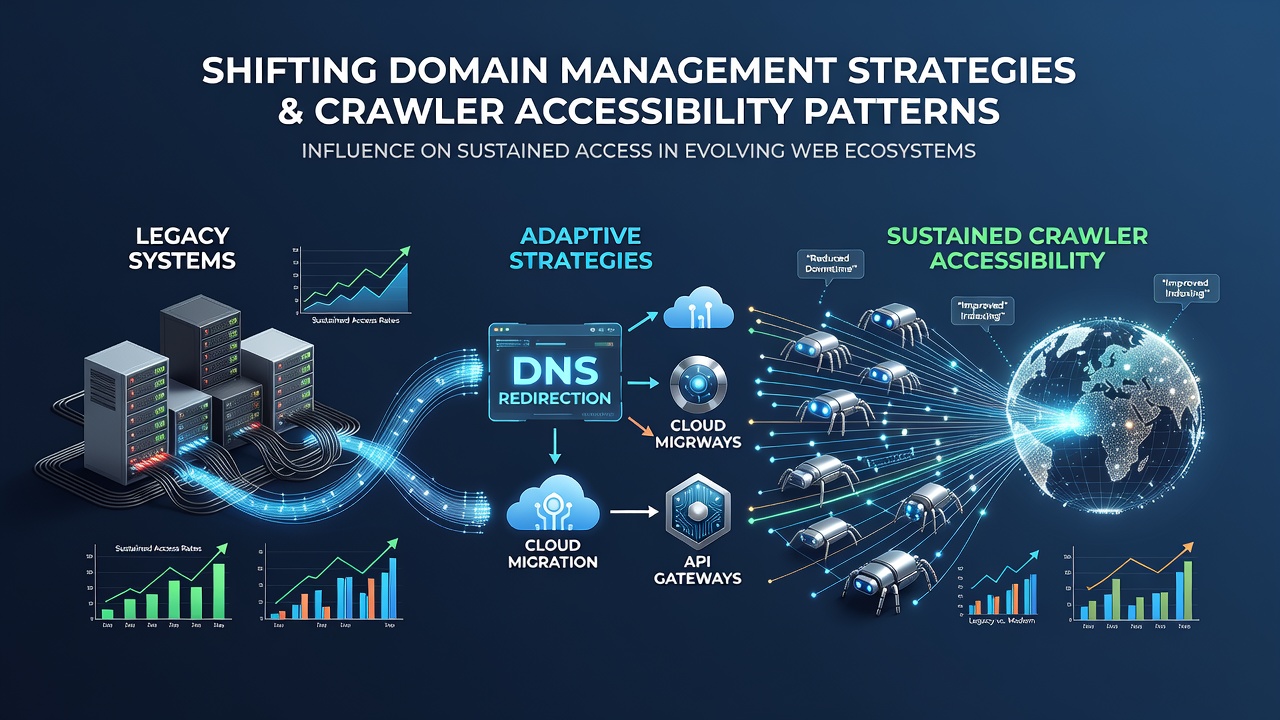
Domain management has evolved rapidly as organizations adopt new approaches to registration, DNS configuration, and hosting arrangements while web ecosystems continue to expand with increased mobile traffic, stricter security protocols, and more sophisticated indexing algorithms. These adjustments directly shape how automated crawlers maintain consistent access to site content over extended periods, and data from industry reports released in September 2026 highlight measurable shifts in crawl frequency tied to specific management practices.
Core Elements of Modern Domain Strategies
Organizations now frequently rotate registrars or implement multi-registrar setups to optimize costs, enhance security layers, or comply with regional regulations, and such moves alter DNS propagation timelines along with name server reliability. Researchers tracking large-scale web datasets have observed that changes in time-to-live values and delegation records can create temporary gaps in crawler reach, especially when combined with updates to HTTPS enforcement or content delivery network integration. Those who monitor these patterns note that sustained accessibility often depends on maintaining stable A and CNAME records while minimizing unnecessary redirects that might fragment indexing signals.
How Crawler Behavior Responds to Management Changes
Crawlers from major engines adjust their visitation schedules based on observed site stability, and shifts in domain management introduce variables that either support or disrupt these routines. Studies indicate that frequent updates to WHOIS privacy settings or bulk transfers between providers correlate wth temporary reductions in crawl depth, since automated systems prioritize resources showing predictable response patterns. Evidence from longitudinal tracking shows that sites employing automated DNS failover mechanisms tend to retain higher accessibility rates during transitions, whereas manual interventions sometimes extend downtime windows that affect index freshness.
Technical Factors Affecting Long-Term Access
Key technical elements include DNSSEC implementation, which adds verification layers that crawlers must navigate, along with variations in IPv6 adoption rates across different registrars. Data reveals that ecosystems incorporating consistent IPv6 support alongside IPv4 experience fewer access interruptions during management updates, and this consistency supports steadier indexing cycles. Organizations that standardize on authoritative name servers with high uptime metrics also report improved crawler retention, since these configurations reduce the likelihood of resolution failures that interrupt scanning sequences.
Regional and Regulatory Influences on Strategy Adoption
Regulatory frameworks in various regions encourage specific domain practices that indirectly influence crawler accessibility, and reports from the European Commission on digital infrastructure note how compliance requirements around data residency can prompt registrar switches. Similarly, analyses from the Australian Competition and Consumer Commission track how local hosting preferences affect global crawl patterns for sites serving multiple markets. These geographic variations create diverse accessibility landscapes where a single domain management decision can produce different outcomes depending on the primary user base and crawler origin points.
Observed Patterns in Web Ecosystem Evolution
As web ecosystems incorporate more dynamic content delivery and API-driven structures, domain strategies must accommodate increased demand for sub-second resolution times. Observers tracking these developments find that organizations maintaining clear documentation of name server changes alongside proactive monitoring tools achieve more stable crawler engagement over months and years. Research indicates that integration of monitoring services with domain registrars helps detect resolution anomalies early, thereby preserving the continuity that indexing systems rely upon when scheduling repeated visits.
Conclusion
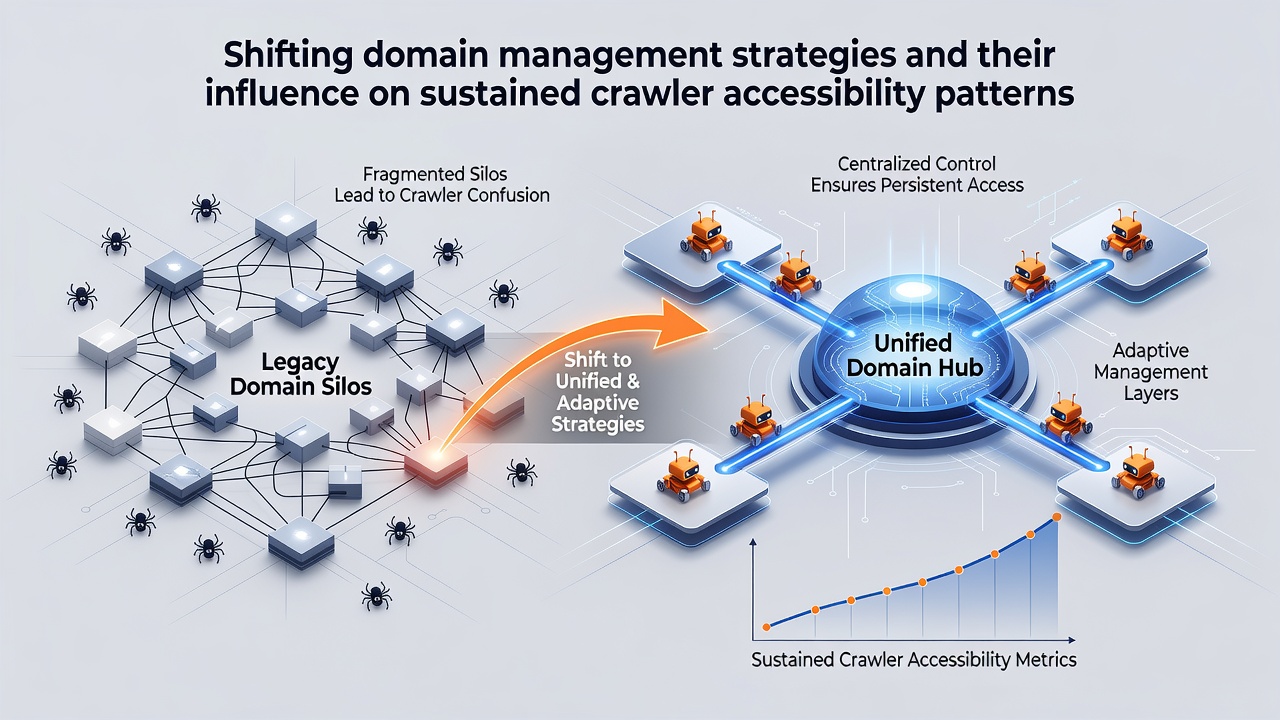
Shifting domain management strategies continue to intersect with crawler accessibility requirements in ways that reward careful planning around DNS stability, registrar reliability, and regional compliance factors. Information compiled through September 2026 underscores the measurable connections between these elements, and organizations that align their practices with observed patterns in web ecosystems position their content for more consistent indexing performance across evolving conditions.