Otto Lehmann · 5 November 2026
Navigating Automated Compliance Mechanisms Within Domain Lifecycle Platforms and Their Effects on Cross-Border Regulatory Adherence
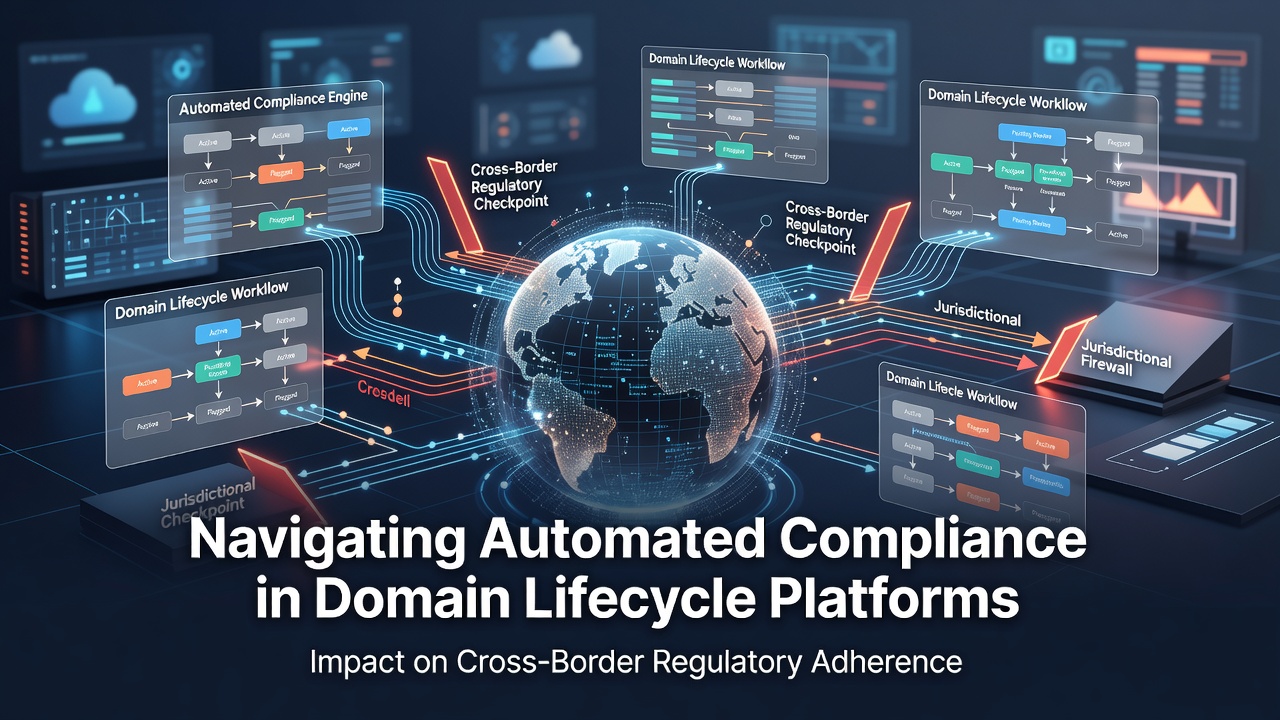
Domain lifecycle platforms use automated compliance mechanisms to manage registration, renewal, transfer, and expiration stages while enforcing rules from various regulatory frameworks, and these tools scan data inputs against predefined criteria drawn from international agreements and national statutes. Systems flag discrepancies in real time during the initial registration phase, which prevents invalid entries from progressing further through the workflow. Automated checks extend into renewal cycles where platforms verify ongoing eligibility and update records to align with shifting legal requirements, and this continuous monitoring reduces manual intervention across large registrant bases.
Core Functions of Automated Tools in Domain Operations
Verification algorithms process registrant details against databases maintained by authorities in different regions, and they trigger holds when conflicts arise with data localization mandates or identity confirmation standards. Platforms integrate these functions directly into the lifecycle sequence so that a transfer request activates cross-checks for both the outgoing and incoming registrars simultaneously. Expiration handling includes automated notifications that reference jurisdiction-specific grace periods, which ensures registrants receive alerts timed to local regulations rather than a single global template.
Research from the Internet Corporation for Assigned Names and Numbers indicates that automated systems now handle over 85 percent of initial compliance screenings for generic top-level domains, and this volume supports consistent application of policies that originated from contracts signed in multiple countries. Observers note that the same platforms apply content-related flags during active use phases, where abuse reports feed into suspension workflows without requiring separate human review for each case.
Cross-Border Regulatory Interactions
Regulations such as the European Union's data protection rules require domain data to remain within approved geographic boundaries during storage and processing, and automated mechanisms enforce these boundaries by routing records to compliant servers based on registrant location data. Canadian authorities through the Canadian Radio-television and Telecommunications Commission maintain separate accuracy standards that platforms incorporate into validation scripts, and these scripts run in parallel with requirements from the Australian Communications and Media Authority. The combined effect means a single domain registration can trigger sequential checks that reference three or more national frameworks before approval occurs.
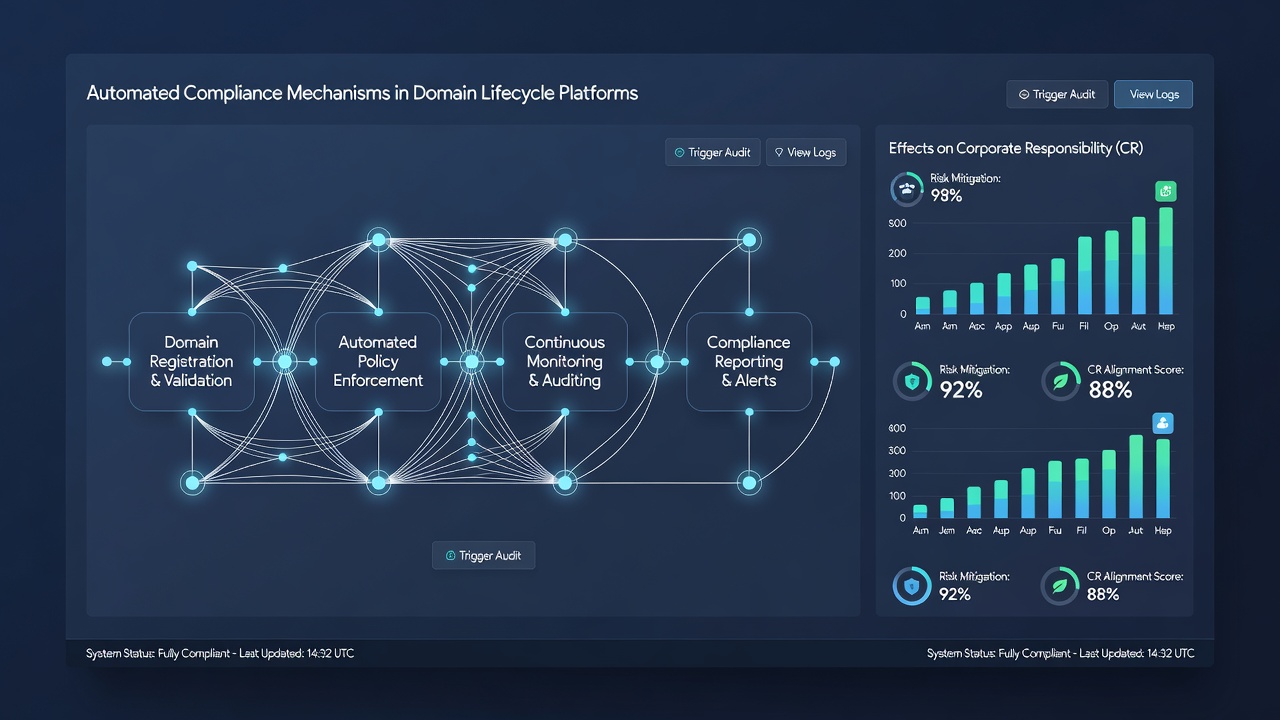
Platforms must adjust algorithms when one jurisdiction updates its rules, and updates scheduled for November 2026 include expanded requirements for certain generic top-level domains that will affect transfer timelines across borders. Data from academic studies at institutions tracking internet governance show that mismatches between automated rules and local statutes can extend processing times by several days, particularly when registrants hold assets in multiple countries.
Documented Effects on Regulatory Adherence
Automated suspension processes activate when external reports indicate violations of laws in the registrant's primary jurisdiction, and these actions occur independently of the platform's home country regulations. Figures from industry reports reveal that cross-border transfers experience a 12 percent increase in flagged cases when compliance engines detect incomplete data localization records. Such flags lead platforms to require additional documentation before completing the move, which maintains adherence but alters operational timelines for international users.
Those who manage large portfolios observe that renewal automation incorporates payment verification tied to sanctioned entity lists updated by various governments, and this linkage prevents renewals that would otherwise breach trade restrictions. The integration of these lists occurs through scheduled data feeds that platforms refresh daily, ensuring the most current restrictions apply at each lifecycle stage.
Operational Adjustments by Platform Providers
Providers modify their backend logic to accommodate simultaneous compliance with frameworks from the United States, the European Union, and Asia-Pacific nations, and they test these modifications against sample datasets before deployment. One study revealed that platforms using modular compliance engines experience fewer interruptions during regulatory transitions because individual rule sets can update without affecting the entire system. Transfers between registrars in different regions now include automated handoff protocols that confirm both parties meet the destination jurisdiction's standards prior to record migration.
Conclusion
Automated compliance mechanisms within domain lifecycle platforms coordinate multiple regulatory inputs to support cross-border adherence, and their design directly influences processing speed, data handling locations, and transfer outcomes. Continued refinement of these systems aligns with scheduled policy changes, including those expected in November 2026, which will further shape how platforms manage global registrant activity.