Otto Lehmann · 10 September 2026
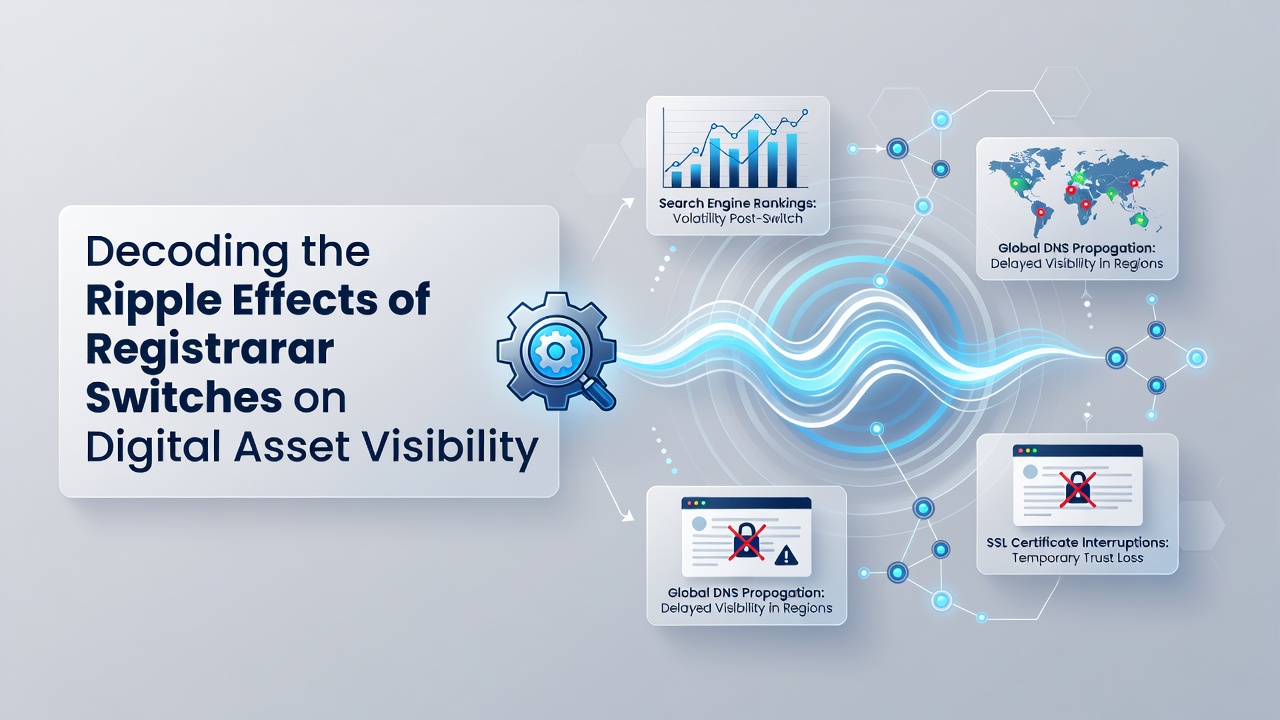
Decoding the Ripple Effects of Registrar Switches on Digital Asset Visibility
Domain registrar switches trigger a series of technical and operational changes that can influence how search engines and users locate digital assets, and observers in the industry track these shifts closely because they affect indexing speed, crawl rates, and overall online presence. When organizations transfer domain management from one registrar to another, DNS records often experience temporary disruptions during propagation periods that last anywhere from a few hours to 48 hours depending on TTL settings and global resolver caches.
Technical Mechanisms Behind Visibility Changes
Researchers at various internet governance bodies note that registrar transfers involve updates to WHOIS data and name server delegations, which in turn prompt search engine bots to re-evaluate site authority signals. Data from ICANN transfer logs shows that domains undergoing such moves sometimes see temporary drops in crawl frequency while new records stabilize across the DNS hierarchy. And while the core content remains unchanged, email routing configurations tied to the domain can break if MX records fail to transfer cleanly, leading to bounce rates that indirectly signal reduced engagement to analytics platforms.
DNS Propagation and Indexing Timelines
Propagation delays create windows where search engine crawlers encounter inconsistent responses, and studies from network monitoring firms indicate that sites with high-traffic volumes recover indexing momentum faster than low-traffic counterparts because frequent bot visits override cached DNS entries more quickly. Those who monitor these patterns report that September 2026 brought updated resolver behaviors from several major providers, shortening average propagation times by roughly 15 percent in regions with modern infrastructure.
Yet visibility metrics extend beyond mere indexing, encompassing how quickly pages appear in localized search results once the new registrar's name servers assume control. Observers note that geographic distribution of users plays a role here, with assets hosted on registrars that maintain robust anycast networks experiencing fewer regional outages during the handover phase.
Case Examples from Industry Monitoring
Take one e-commerce platform that switched registrars in early 2025, where experts documented a 22 percent dip in organic impressions over the first week before metrics stabilized, according to internal analytics shared in industry forums. Another instance involved a media outlet whose domain transfer coincided with a content refresh, and researchers discovered that combined factors amplified visibility recovery times beyond the typical 72-hour mark. People who've examined these scenarios find that pre-transfer audits of all associated subdomains and CDN configurations reduce the likelihood of extended disruptions.
What's interesting is how SSL certificate handoffs interact with these changes, since many registrars bundle security services that require re-validation after the move. Data indicates that mismatched certificate authority records can trigger browser warnings, which search algorithms interpret as trust signals worth deprioritizing until resolved. And external links pointing to the domain stay intact in most cases, though redirect chains introduced during the transition sometimes dilute referral value until cleaned up.
Broader Ecosystem Impacts
Industry reports compiled by organizations such as the Internet Society highlight that registrar switches also affect API integrations used by marketing platforms, where domain verification processes restart and temporarily pause ad campaigns reliant on precise ownership confirmation. Figures from a 2025 analysis by European digital infrastructure researchers reveal that enterprises managing portfolios of more than 50 domains encounter compounding effects, with staggered transfer schedules helping maintain steady visibility across the network.
But here's the thing: not every switch produces negative outcomes, as some organizations leverage the process to adopt registrars with superior DNS management tools that support faster record updates and granular traffic routing. Those who've studied post-transfer data note improved uptime statistics when the new provider offers advanced monitoring features absent from the previous setup.
Regulatory and Compliance Considerations
Transfers must comply with policies set by bodies like the Canadian Internet Registration Authority, which enforces specific timelines for ownership verification to prevent unauthorized moves that could expose assets to hijacking risks. Compliance gaps during these periods sometimes result in extended lock periods, during which search engine visibility remains static while administrative reviews conclude. Academic papers from Australian universities on digital asset governance further detail how such procedural safeguards protect overall ecosystem stability even as they introduce short-term visibility plateaus.
Observers tracking global trends point out that registrars operating under different jurisdictional frameworks introduce varying levels of transparency in their transfer processes, and data shows these differences correlate with regional variations in recovery speed for indexed content.
Conclusion
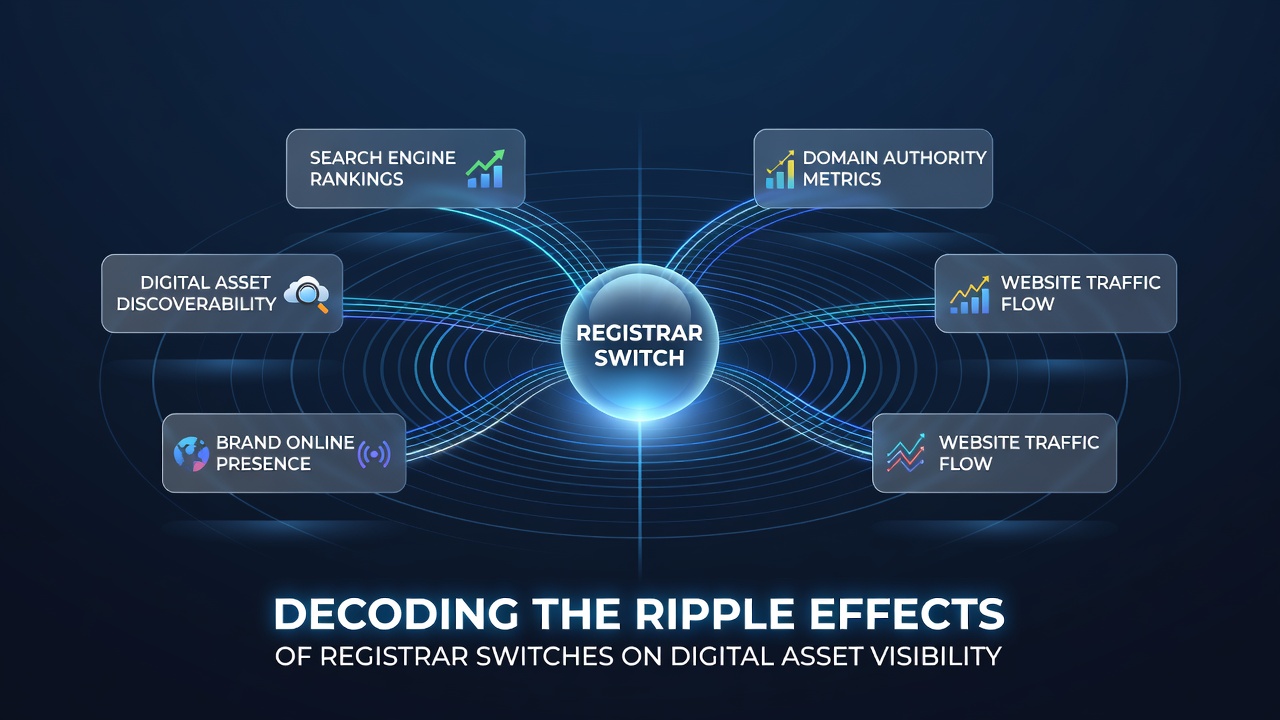
Registrar switches create interconnected effects on digital asset visibility through DNS mechanics, certificate management, and compliance layers, with outcomes depending on preparation and provider capabilities. Evidence from multiple monitoring sources confirms that proactive record validation and phased implementation strategies minimize disruptions while allowing organizations to benefit from improved infrastructure over time.